
Health
Personalized Medicine: The Future of Treatment — Tailored Therapy for Every Patient
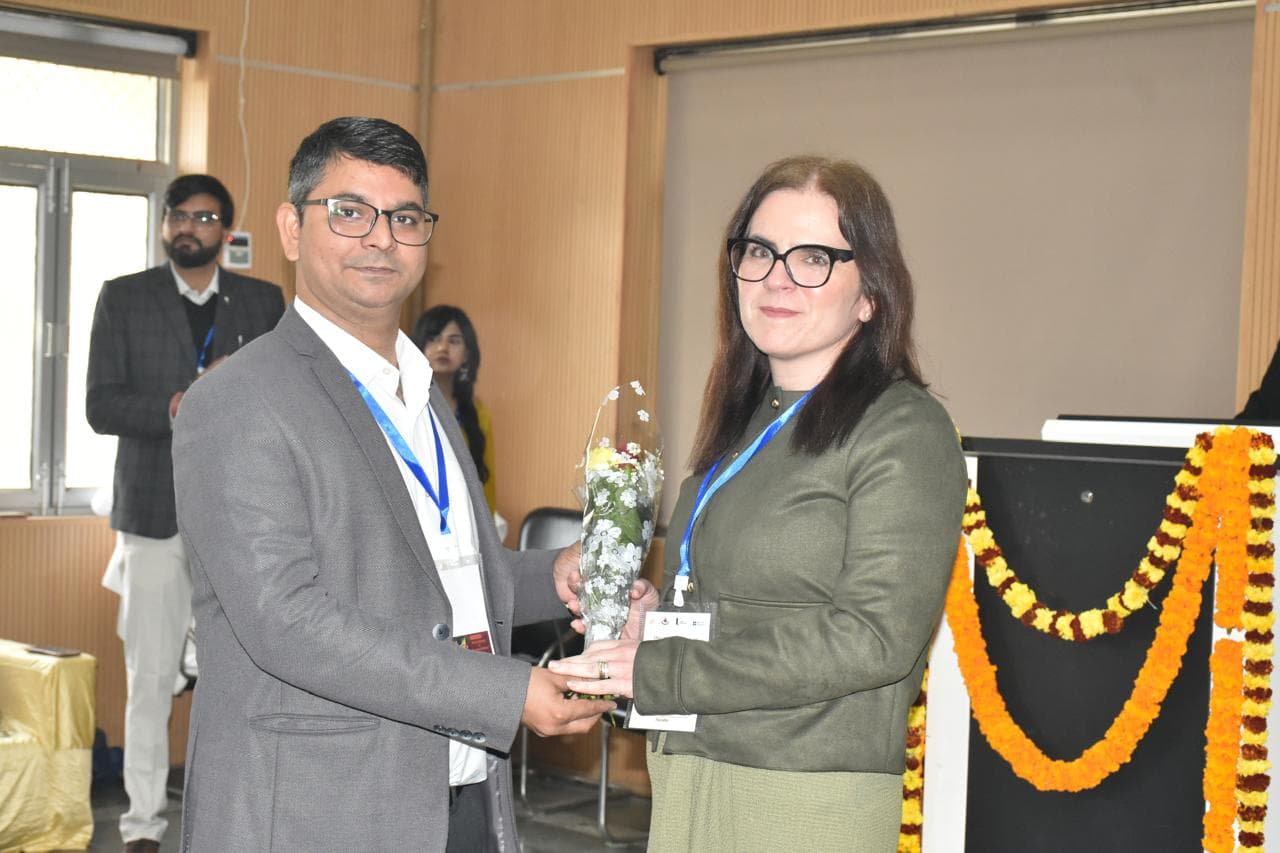
Kashi: A one-day academic workshop on Personalized Medicine was successfully organized today, 18 January 2026, at the Conference Hall of the Institute of Medical Sciences (IMS-BHU), Banaras Hindu University. The workshop was held under the able guidance of Dr. Anurag Tiwari, Assistant Professor, Department of Gastroenterology, with enthusiastic participation from nearly 100 undergraduate and postgraduate students of medical sciences.
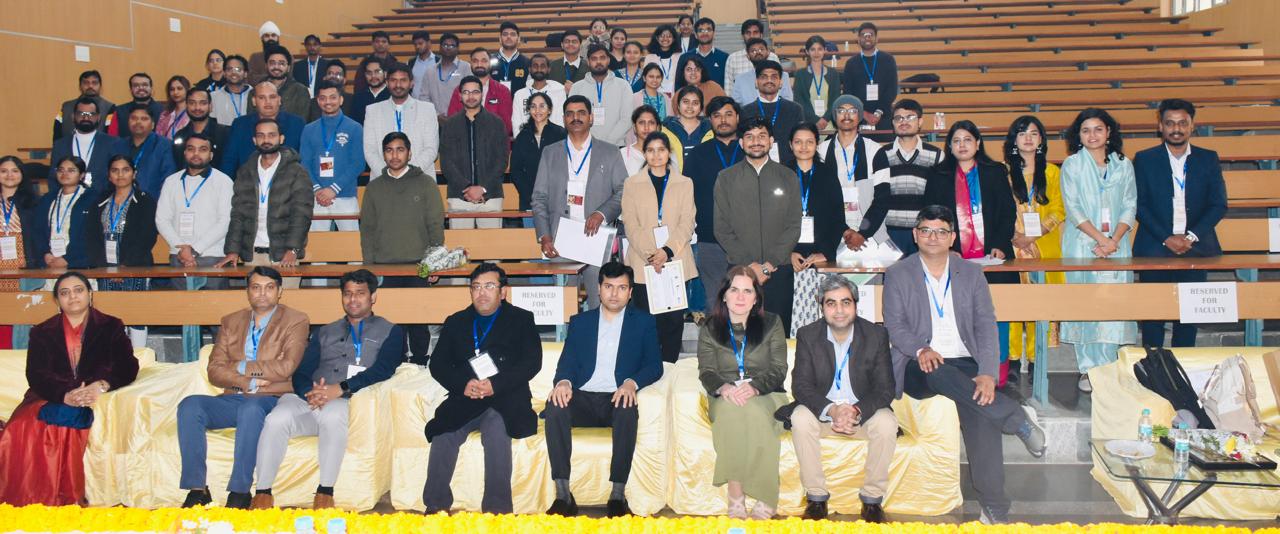
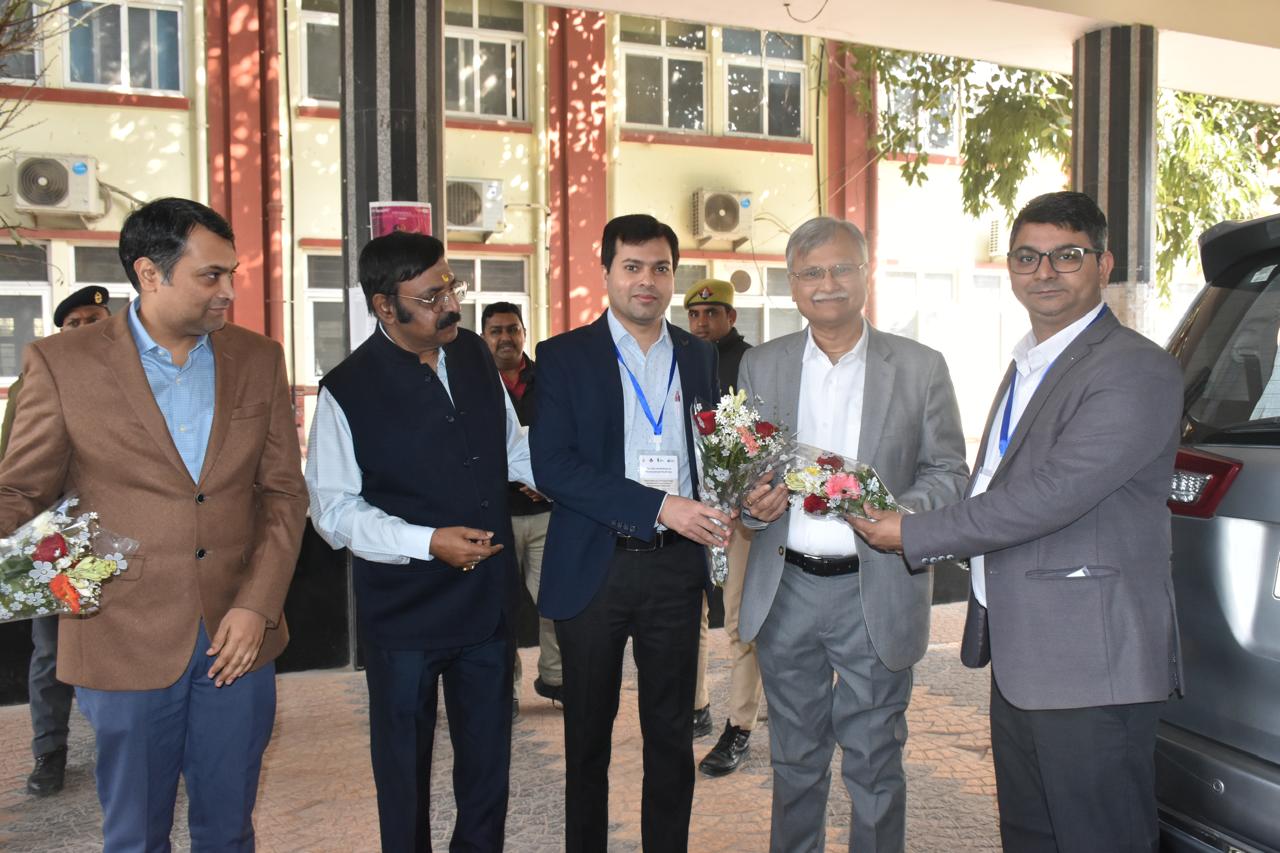
The workshop was formally inaugurated by the Hon’ble Vice-Chancellor of Banaras Hindu University, Prof. Ajit Kumar Chaturvedi. On this occasion, the dignified presence of Prof. Sanjay Gupta (Dean, IMS), Prof. Gopal Nath (Dean, Research), and Dr. Shyam Sundar Agrawal (Distinguished Professor) as chief guest, added to the grandeur of the program. The event commenced with floral tributes at the statue of Mahamana Pandit Madan Mohan Malaviya. Distinguished guests were formally welcomed by Dr. S. K. Shukla, Dr. Devesh Prakash Yadav, Dr. Anurag Kumar Tiwari, and Dr. Vinod Kumar with ceremonial scarves, bouquets, and mementos.
Vice-Chancellor Prof. Chaturvedi emphasized that personalized medicine will be highly beneficial in the future and stressed upon the adoption of the “Digital Twin” model in personalized medicine. Prof. Shyam Sundar highlighted that medicines effective in Western countries may not necessarily be equally effective for Indian patients, underscoring the need for further research. The academic sessions of the workshop were conducted by renowned scholars from Ulster University, United Kingdom — Dr. Priyank Shukla and Dr. Paula McLean. Through their lectures, they shed light on both theoretical and practical aspects of personalized medicine, covering genomics, biomarkers, clinical data analysis, and the emerging role of Artificial Intelligence. Dr. Priyank Shukla from Ulster University introduced the concept of personalized medicine and explained how Artificial Intelligence can be integrated into it. Dr. Paula McLean delivered a lecture on the ethical challenges associated with personalized medicine and possible solutions. She further elaborated on how human genetic traits and environmental factors can guide advancements in personalized medicine.
In modern medical science, personalized medicine has emerged as a revolutionary concept, wherein each patient receives treatment tailored to their physical constitution, genetic makeup, lifestyle, and nature of the disease. The traditional approach of “one treatment for all” is being replaced by the scientific concept of “individual-specific treatment.”
Under this method, a patient’s genetic profile, blood tests, lifestyle, dietary habits, and medical history are thoroughly analyzed to prepare a treatment plan, making therapy more precise, effective, and safe. Experts noted that this approach is proving highly effective in treating cancer, diabetes, cardiovascular diseases, gastroenterology, neurology, and autoimmune disorders. Targeted therapy and immunotherapy in cancer treatment are prime examples of this. The workshop particularly emphasized that personalized medicine leads to more accurate and effective treatment, prevents unnecessary use of medications, accelerates the healing process, and significantly reduces long-term complications. A question-and-answer session was also organized, allowing students to interact directly with experts and resolve their queries. At the conclusion of the workshop, participation certificates were distributed to all attendees. Experts expressed that in the coming years, the integration of Artificial Intelligence, genomics, and digital health technologies will provide a new direction to the Indian healthcare system, making medicine more scientific, effective, and patient-centric. At the closing ceremony, Dr. Devesh Prakash Yadav, Head of Department, expressed heartfelt gratitude to all guests, speakers, and participants, while stressing the need for more research-oriented and academic events in the future.
The program was skillfully conducted by Dr. Juhi Singh and Divyanshi Singh. Prominent participation came from Dr. Gurvachan Singh (Faculty—Gautam Buddha University, Noida), Dr. Vivek Chaturvedi, Dr. Gaurav Mishra, Smriti Sachan, Dr. Virendra, Anunay, Shivam, Ajay, Dr. Ankita, Anup Singh, and Brajesh Pandey.